If getting your Rincon home ready to sell feels a little overwhelming, you are not alone. Between deciding what to fix, how much to spend, and when to list, it is easy to worry about doing too much or not doing enough. The good news is that you do not need perfection to make a strong impression. You need a smart plan built around local market conditions, buyer expectations, and solid pricing. Let’s dive in.
Why prep matters in Rincon
Recent Rincon market snapshots point to one clear theme: condition and pricing discipline matter. Depending on the source, local numbers show different sale prices, inventory counts, and average time on market, but together they suggest buyers are comparing options carefully.
For example, Redfin reported a median sale price of $301,719 for the three months ending May 2026, with homes taking 104 days to sell. Zillow showed an average home value of $341,815 as of June 30, 2026, down 1.8% year over year, with homes going pending in about 44 days and a median sale-to-list ratio of 0.995. Realtor.com reported a median listing price of $380,000, 229 homes for sale, and a 59-day median days-on-market figure in June 2026.
What does that mean for you? Buyers in Rincon are likely paying attention to both value and presentation. If your home is clean, well-prepared, and priced from nearby comparable sales, you put yourself in a much better position to attract serious interest.
Start with a simple walk-through
Before you spend money, walk through your home with fresh eyes. Look at each room, the front yard, and the exterior as if you were seeing the property for the first time.
Your goal is to separate issues into four buckets: clean, declutter, repair, and leave alone. This helps you avoid the common mistake of over-improving in areas that may not add much value.
A practical pre-listing plan often starts here, then moves into staging, photography, launch, showings, and the contract-to-close phase. Breaking the process into stages can make selling feel much more manageable.
Focus on the highest-value fixes
A pre-sale inspection is optional, but it can help you spot issues before a buyer does. According to the research report, these inspections can identify concerns with the structure, roof, plumbing, electrical, HVAC, insulation, ventilation, and more.
That does not mean you must fix everything. It does mean you should understand what shape your home is in so you can make informed decisions and avoid surprises later.
If you know a major item may need attention, such as the roof, HVAC system, or an older appliance, it helps to estimate the cost even if you do not plan to replace it before listing. That kind of preparation can help you price more accurately and respond calmly if buyers raise questions during inspections.
Repairs worth reviewing first
- Roof condition
- HVAC performance and age
- Plumbing leaks or visible damage
- Electrical issues
- Damaged flooring
- Broken fixtures or hardware
- Paint touch-ups where wear is obvious
In many cases, small visible problems can make buyers wonder about larger hidden ones. Fixing the basics can go a long way.
Clean like buyers are looking closely
They are. One of the most common seller recommendations in the 2025 staging report was cleaning the whole home. NAR also recommends cleaning windows, carpets, light fixtures, and walls before listing.
This is one of the most affordable ways to improve how your home shows. A clean home feels better maintained, photographs better, and helps buyers focus on the space instead of the chores.
Cleaning priorities before listing
- Windows and glass doors
- Carpets and floors
- Walls with scuffs or marks
- Light fixtures and ceiling fans
- Kitchen surfaces and appliances
- Bathrooms, especially grout and mirrors
- Baseboards, vents, and corners
If you only have time for a few big wins, start with the kitchen, bathrooms, and main living areas.
Declutter to make rooms feel bigger
Decluttering was the top seller recommendation in the 2025 staging report, with 91% of agents recommending it. That is because clutter makes rooms feel smaller, busier, and harder for buyers to picture as their own.
You do not need to strip the home of personality. You just want to remove distractions and create a calmer, more open look.
Start with countertops, entry areas, oversized furniture, and packed closets. Then tackle shelves, laundry areas, and any room that has become a catch-all space.
What to put away
- Extra countertop appliances
- Personal photos
- Excess decor
- Overflow closet items
- Pet items when possible during showings
- Large toys, bins, or storage baskets in main rooms
- Seasonal items not needed right now
The goal is simple: help buyers notice the home, not your stuff.
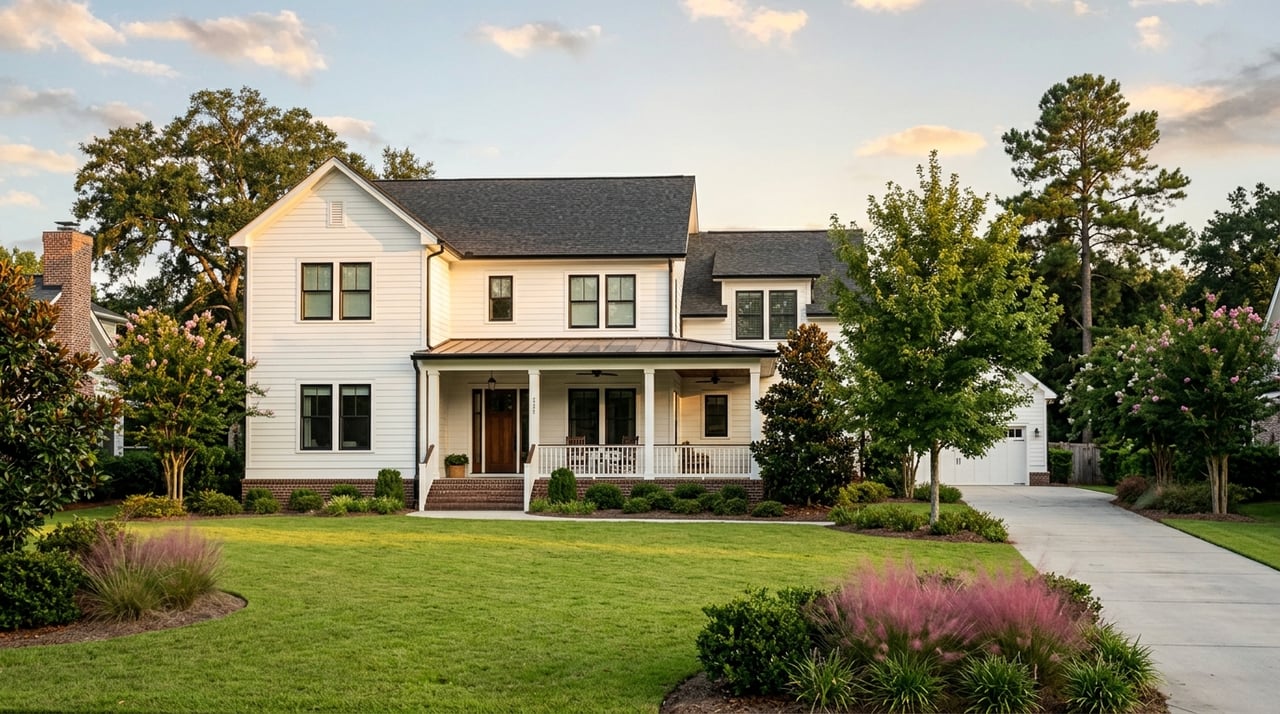
Improve curb appeal first
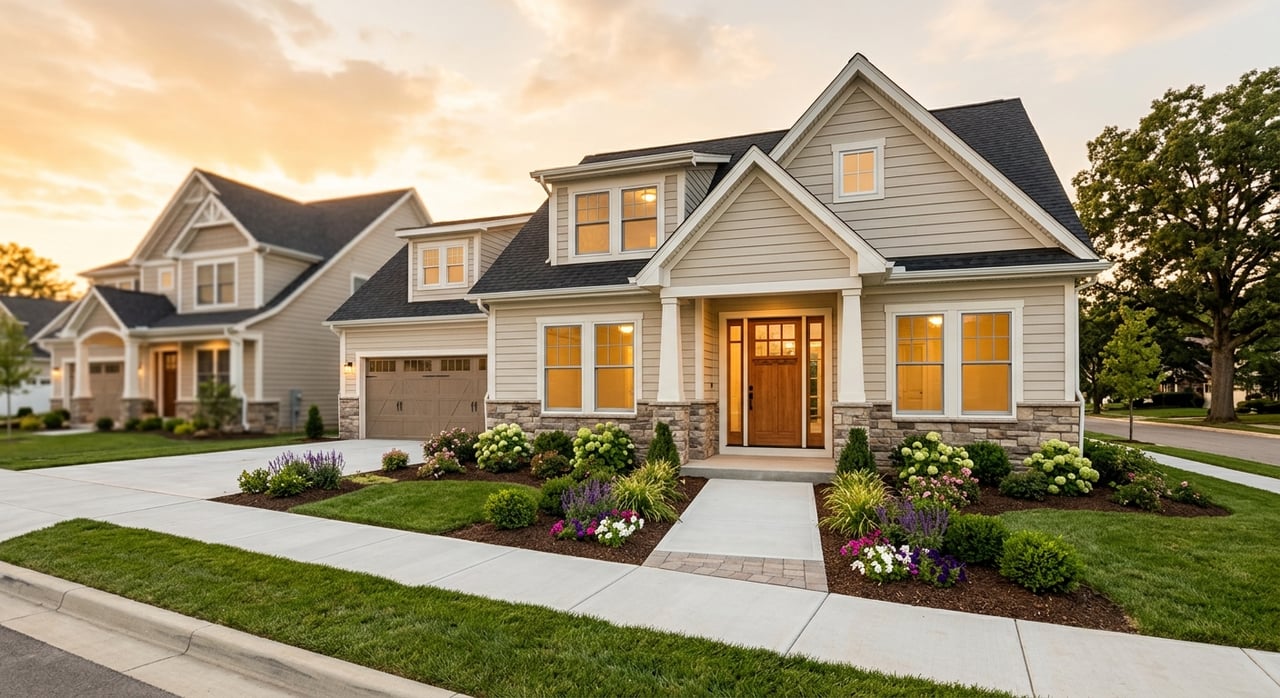
Buyers form opinions before they even walk through the front door. Seller guidance in the research emphasizes curb appeal improvements such as landscaping, the front entrance, paint, and small exterior touches that make the home look cared for from the street.
In Rincon, where buyers may be comparing multiple homes in similar price ranges, a tidy exterior can help your listing stand out early. It also sets the tone for the rest of the showing.
Easy curb appeal updates
- Mow and edge the lawn
- Trim shrubs and remove dead plants
- Add fresh mulch if needed
- Sweep the porch and walkway
- Touch up peeling or worn paint
- Clean the front door
- Replace burned-out exterior bulbs
These updates do not need to be fancy. They just need to signal that the home has been maintained.
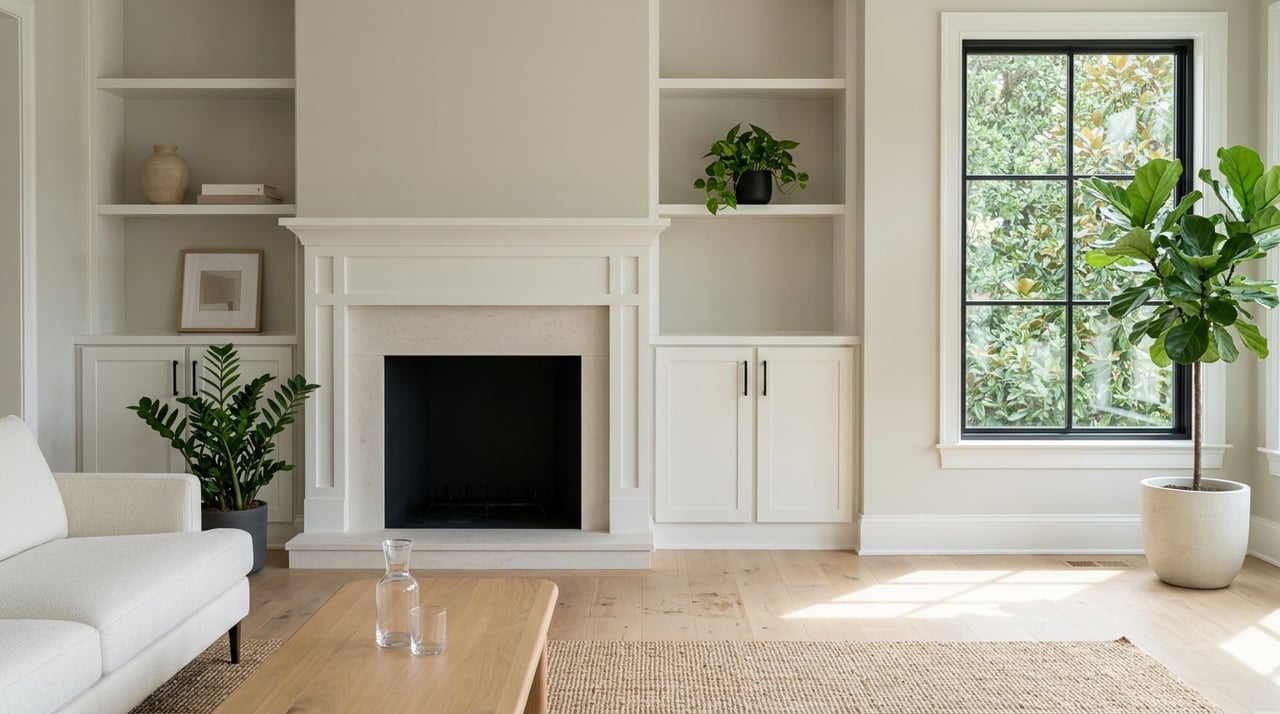
Stage the rooms that matter most
Staging helps buyers picture the home as a future residence. In NAR’s 2025 staging report, 83% of buyers’ agents said staging made that easier, and 29% said staging produced a 1% to 10% increase in the dollar value offered.
That does not mean every seller needs a full staging project. It does mean presentation matters, especially in photos and first impressions during showings.
The report also found that the living room, primary bedroom, and kitchen are the most important staging areas. If you are choosing where to focus your time and budget, start there.
Best rooms to prioritize
Living room
Keep furniture arranged to show flow and openness. Remove excess pieces so the room feels larger and easier to navigate.
Kitchen
Clear counters, brighten surfaces, and keep the space looking functional and clean. Even a few small visual distractions can make this room feel busier than it is.
Primary bedroom
Aim for simple, calm, and spacious. Neutral bedding, clear nightstands, and less visible clutter can make a big difference.
Use pricing rooted in local comps
Preparation gets buyers in the door. Pricing helps keep them interested. In a market with mixed data points, broad averages are less useful than nearby comparable sales.
Valuation guidance in the research report explains that home values are typically compared using similar nearby properties, with factors such as square footage, bedrooms, bathrooms, and year built. It also notes that sales activity within the neighborhood is one of the best indicators of value.
For you, that means pricing should be based on homes that are similar in size, condition, lot characteristics, and location, along with current competing listings. This matters because if a home is priced too high and does not appraise at contract price, buyers may ask for a price reduction or the deal could fall apart depending on the contract.
Keep your timeline realistic
A low-stress sale usually follows a few clear phases. When you know the order of events, it becomes easier to plan your time, your budget, and your move.
A practical pre-listing timeline
Phase 1: Walk-through and planning
Review the home’s condition and decide what to clean, declutter, repair, or stage. This is where you build your game plan.
Phase 2: Prep and photography
Complete the agreed updates, then schedule listing photos once the home is show-ready. Since photos and visual presentation matter to buyers, timing this step well is important.
Phase 3: Launch and showings
Once the home is live, be ready for buyer traffic and feedback. Presentation and price often work together here.
Phase 4: Inspection, appraisal, and closing
After you go under contract, the process usually moves into buyer due diligence, appraisal, and final closing steps. This is another reason solid prep at the beginning can save stress later.
Do not forget paperwork
As you prepare to sell, gather warranties, guarantees, and manuals for appliances and systems that will stay with the home. Missing paperwork can create avoidable friction later in the transaction.
It also helps to keep records of recent maintenance or repairs if you have them. Organized information can make buyer questions easier to answer and help the transaction move more smoothly.
Check permit requirements before bigger work
If your pre-sale refresh starts turning into a real project, pause and check local permit rules first. According to Effingham County, permits are required for construction, enlargement, alteration, repair, renovation, demolition, occupancy changes, and electrical, gas, mechanical, and plumbing work.
The City of Rincon also has a Planning and Development department focused on building-code and zoning compliance, along with residential permit and fee information. In practical terms, if you are doing more than basic cosmetic updates, checking permit requirements early may help you avoid delays later.
A smart Rincon selling strategy
If you want to get your Rincon home ready to hit the market, the best approach is usually not doing everything. It is doing the right things in the right order.
Start with a realistic walk-through. Focus on cleaning, decluttering, curb appeal, and visible repairs. Put extra attention on the living room, kitchen, and primary bedroom. Then pair that preparation with pricing built around local comparable sales, not guesswork.
When you take that steady, practical approach, you give yourself a better shot at attracting serious buyers and reducing stress from list day through closing. If you want a calm, step-by-step plan for selling in Rincon, connect with Devin Pickett for straightforward guidance tailored to your home and timing.
FAQs
What should I fix before listing a home in Rincon?
- Start with visible issues and key systems, including roof concerns, HVAC problems, plumbing leaks, electrical issues, damaged flooring, and paint touch-ups. Cleaning and decluttering should also be at the top of the list.
How important is staging for a Rincon home sale?
- Staging can make it easier for buyers to picture the home as their future residence. The research report notes that 83% of buyers’ agents said staging helps with that, and many agents recommend focusing first on the living room, kitchen, and primary bedroom.
How should a seller price a home in Rincon?
- A seller should anchor pricing to recent nearby comparable sales with similar size, condition, and features, while also reviewing current competing listings. This can help reduce appraisal issues and improve buyer response.
How long does it take to sell a home in Rincon?
- Recent market snapshots vary by source, with reported timelines ranging from around 44 days to pending up to 104 days to sell, and a 59-day median days-on-market figure in another report. That makes pricing and presentation especially important.
Do I need a permit for pre-sale home updates in Rincon?
- If the work goes beyond basic cosmetic changes, you may need to check local permit rules. Effingham County requires permits for many types of repair and renovation work, and the City of Rincon also oversees building-code and zoning compliance.