You can visit Savannah for a weekend and fall in love with the views, but building a life here is something different. If you are thinking about moving, buying, or putting down roots in this city, you probably want to know what daily life really feels like beyond the postcards. The good news is that Savannah offers a mix of history, green space, neighborhood variety, and practical convenience that can support many different lifestyles. Let’s dive in.
Savannah feels different by area
One of the first things to understand about Savannah is that it does not live like one single, uniform city. Savannah’s 2025 population estimate was 149,440, and the city covers 106.85 square miles, which means your experience can change a lot depending on where you are.
In and around the historic core, life often feels more compact, walkable, and visually rich. As you move farther out, neighborhoods tend to feel more spread out and car-oriented, with different tradeoffs around space, parking, and home style.
Downtown offers daily character
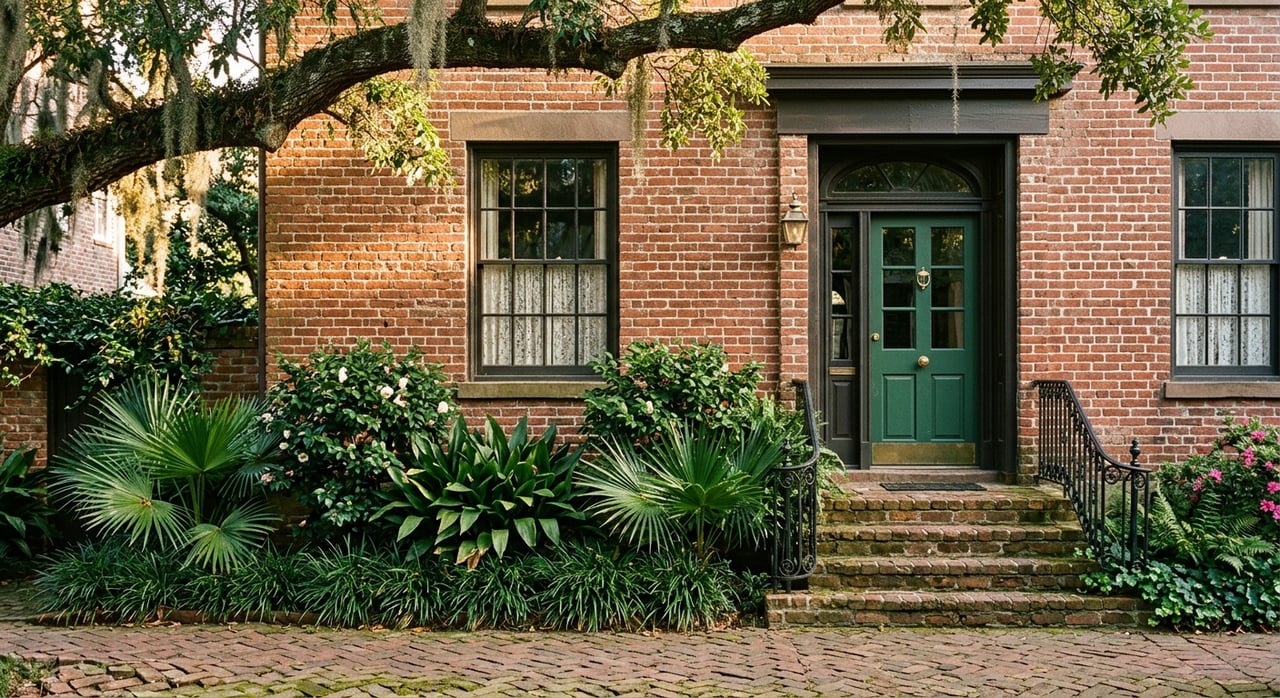
Savannah’s identity is closely tied to its historic layout. The Savannah National Historic Landmark District, designated in 1966, is recognized for the Oglethorpe Town Plan and its historic building stock, which still shape how the city feels today.
That design shows up in everyday life. The downtown squares, first established in 1733, are still active public spaces, and 23 of the original 24 remain in place, giving the city a rhythm that feels hard to replicate elsewhere.
Outer neighborhoods offer a different pace
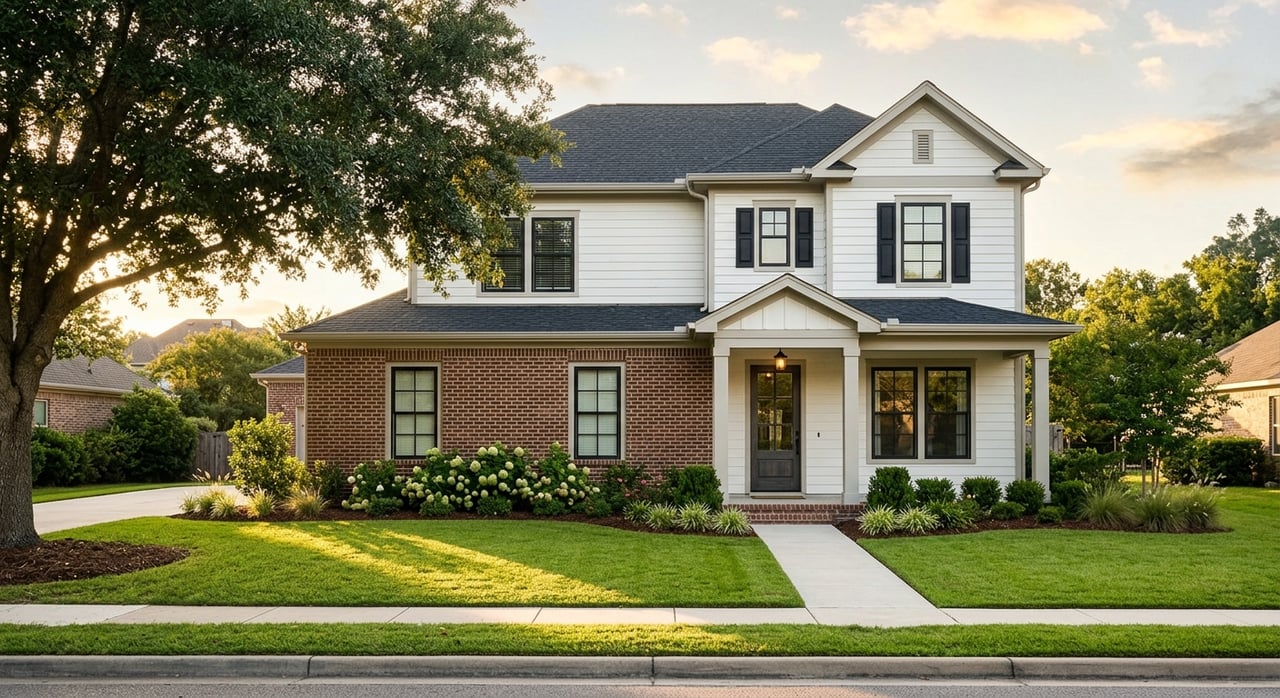
If you picture Savannah as only brick streets and historic homes, you are only seeing part of the story. Beyond the historic core, many areas offer a more traditional residential feel, often with more yard space, easier parking, and homes that may feel newer or less restricted by preservation rules.
For many buyers, that balance matters. You may find that the right fit depends less on a broad idea of “Savannah” and more on whether you want walkability and character, or a little more room and convenience for day-to-day routines.
Housing choices come with tradeoffs
Savannah’s housing market reflects a mix of ownership and renting rather than one dominant pattern. Citywide, the owner-occupied housing rate is 45.4%, the median owner-occupied home value is $248,900, and the median gross rent is $1,382.
Those numbers help explain why many people approach Savannah with different goals. Some are looking for a first home, some are relocating and comparing renting versus buying, and some are trying to find a property that supports long-term wealth building.
Historic homes can mean extra oversight
If you are drawn to older in-town properties, it is important to know that Savannah’s preservation framework is a real part of the buying experience. The city’s local historic districts include the Savannah Downtown Historic District, Victorian Historic Overlay District, Streetcar Historic Overlay District, and Cuyler-Brownville Historic Overlay District.
In those areas, new construction and most renovations are reviewed for visual compatibility. That does not mean you should avoid historic property, but it does mean you should go in with clear expectations about rules, approvals, and the long-term responsibilities that can come with owning a home in a protected area.
Convenience varies by neighborhood
Savannah gives you more tools than many cities when it comes to comparing location tradeoffs. The city’s Open Neighborhoods map identifies parks, bikeways, community centers, grocery stores, libraries, CAT bus stops, and schools, which makes it easier to evaluate how a neighborhood may support your routine.
That kind of detail matters when you are deciding where to live. If your priorities include nearby green space, easier errands, transit access, or a shorter route to daily needs, you can research those features before you ever schedule a tour.
Walkability depends on where you live
A common question from relocators is whether Savannah is walkable. The honest answer is yes in some areas, especially downtown, but not in the same way across the full city.
Savannah’s historic core is designed around pedestrian movement and public gathering spaces. Around the squares, River Street, and Forsyth Park, you can enjoy a more walkable lifestyle that feels connected to the city’s public spaces and street life.
Downtown is easier without a car
For people living or spending time downtown, Chatham Area Transit adds real convenience. CAT’s free DOT shuttle runs on two loops, reaches 18 historic-district stops, and arrives about every 10 minutes.
The free Savannah Belles Ferry also connects downtown and Hutchinson Island across the river. That setup can make short trips around the core easier, especially if you want to park less often or enjoy the area without driving every block.
Most households still rely on driving
Outside downtown, driving remains an important part of everyday life for many households. Savannah’s average commute to work is 20.7 minutes, which suggests the city is manageable for many workers, but it does not mean every area is set up for easy car-free living.
Regional roads also matter because Savannah connects to major job centers, freight activity, and surrounding communities. Georgia DOT’s I-16 and I-95 improvement project reflects how important these corridors are for traffic flow and daily mobility in the region.
Parks and public spaces shape the lifestyle
One of the strongest reasons people enjoy living in Savannah is the city’s connection to outdoor spaces. This is not just a place with a few scenic spots. Public green space is built into how the city works and how many residents spend their time.
That can make a difference in your weekly routine. Whether you want a place to walk, jog, relax, or meet up with friends, Savannah gives you several ways to do that without leaving the city.
Forsyth Park is part of daily life
Forsyth Park is one of Savannah’s best-known landmarks, but it is also a practical everyday amenity. At 30 acres, it is the city’s largest and oldest public park, and it hosts walking, jogging, festivals, concerts, and a weekly farmers’ market.
For many residents, places like Forsyth are part of what makes Savannah feel livable rather than just beautiful. It offers room to slow down, get outside, and make the city feel more personal.
Larger parks expand your options
Savannah also has larger active-use spaces beyond downtown. Daffin Park spans 77 acres and includes athletic fields, tennis courts, a pool, and a walking trail, while Bacon Park Forest offers 53 acres of leisure trails.
That range gives you options depending on what you want from a neighborhood or weekend routine. Some buyers want to be close to the historic core, while others care more about access to larger parks and more traditional recreational spaces.
Dining, shopping, and weekends stay interesting
Savannah makes it easy to build a lifestyle around more than just your home. Downtown dining, waterfront activity, and retail corridors create a daily environment that can feel lively without requiring a packed calendar.
That matters when you are choosing a city for the long term. You want a place where errands, meals out, and casual weekends still feel enjoyable after the novelty wears off.
Riverfront and downtown have everyday appeal
River Street remains a major part of Savannah’s appeal for both visitors and locals. It features more than 75 boutiques, galleries, artists’ studios, restaurants, and pubs, while Plant Riverside District adds more waterfront dining, shopping, and entertainment options.
Broughton Street adds another layer to downtown life with local boutiques, name-brand stores, and dining in the heart of the city. Together, those areas help create a rhythm where you can mix routine and leisure in a way that feels easy and close at hand.
The coast is close by
If you want occasional beach access without giving up city convenience, Savannah offers that too. Tybee Island is about 20 minutes from downtown, giving you a relatively quick option for outdoor recreation and a change of pace.
That kind of access can shape how a city feels over time. It gives you one more outlet for weekends, visiting family, or simply stepping away from the normal routine without planning a full trip.
Building a life here means choosing your version
The biggest takeaway is that Savannah supports more than one kind of lifestyle. You can choose a home base that leans into walkability and historic charm, or one that prioritizes yard space, parking, and a more residential pace.
The key is knowing what matters most to you before you buy. When you understand how neighborhood setting, preservation rules, commute patterns, and daily convenience fit together, you can make a smarter move and feel more confident about the life you are building.
If you are thinking about moving to Savannah, buying your first home here, or finding the right fit for your next chapter, working with someone who understands the local tradeoffs can make the process much less stressful. When you are ready for steady guidance and honest advice, connect with Devin Pickett.
FAQs
Is Savannah, Georgia walkable for daily life?
- Savannah can be very walkable in the historic core, especially around the squares, River Street, and Forsyth Park, but many areas outside downtown are more car-dependent.
Do Savannah historic homes have special renovation rules?
- Yes, many homes in Savannah’s local historic districts are subject to compatibility review for new construction and most renovations.
What is everyday commuting like in Savannah?
- Savannah’s average commute to work is 20.7 minutes, and while that is manageable for many households, driving remains important for many cross-town trips and errands.
Can you live in Savannah without using a car every day?
- In some downtown areas, you may be able to rely less on a car thanks to walkability, the free DOT shuttle, and the Savannah Belles Ferry, but many households outside the core still depend on driving.
What makes Savannah appealing for relocation?
- Savannah offers a mix of historic character, public parks, riverfront dining, varied neighborhood styles, and quick access to places like Tybee Island and Savannah/Hilton Head International Airport.