If you are thinking about selling your home in Richmond Hill, it is easy to wonder whether you should list now, wait a little longer, or make more updates first. That uncertainty is normal, especially in a growing market where buyers still expect value, clean presentation, and realistic pricing. The good news is that a smart plan can help you avoid common mistakes and move forward with more confidence. Let’s dive in.
Understand the Richmond Hill market
Richmond Hill is part of a fast-growing area, and that growth matters when you sell. The city’s population estimate reached 20,022 in July 2025, and Bryan County has also grown quickly in recent years. Local and regional public sources describe Bryan County as one of Georgia’s fastest-growing suburban and exurban areas, which helps explain why buyers continue to pay attention to Richmond Hill.
That said, this is not a market where you can throw any price on a home and expect multiple offers right away. Recent housing snapshots show solid demand, but they also show that buyers have options. Depending on the source, homes have been taking roughly 26 to 57 days to go pending or sell, with sale-to-list ratios around 100% and market times near 50 days in some reports.
The big takeaway is simple: you are selling into an active market, not an automatic one. Buyers are still comparing condition, price, location details, and overall value before making an offer. That means preparation matters.
Price from closed sales, not guesswork
One of the biggest mistakes sellers make is focusing too much on active listings or online estimates. Those numbers can be helpful for context, but they do not replace a pricing strategy built around comparable closed sales. A strong list price usually comes from studying similar homes that recently sold nearby, then adjusting for square footage, updates, lot type, and overall condition.
That matters even more because buyers who finance their purchase usually need the home to appraise. Fannie Mae notes that appraisers look at recent comparable sales, the home’s condition, location, views, and broader market trends. If your home is priced well above what the local comp set supports, a lower appraisal can create financing problems and slow down your sale.
In Richmond Hill, the best pricing strategy is usually a local one. You want to look closely at nearby sold homes that truly compete with yours, not just homes that are currently sitting on the market. A realistic price can help you attract better attention early, which is often when your listing gets the most interest.
Prepare for flood-related questions early
In Richmond Hill, flood exposure is not a side issue. It can affect buyer interest, insurance questions, and how confident someone feels about moving forward. Bryan County notes that some areas experience flooding from higher tides and heavy rain, and that some places have recurring flooding concerns.
Before you list, it helps to gather any information a buyer may ask for. That can include whether the property is in a FEMA Special Flood Hazard Area, whether flood insurance has been required, any past mitigation work, and whether you have an elevation certificate. The county also provides access to an interactive flood map that homeowners can use to check flood-zone details.
Timing matters here too. Bryan County notes that flood insurance may be required in high-risk zones and that policies can carry a 30-day waiting period. If your property could trigger these questions, it is better to be ready with clear information before the home goes live rather than scrambling after a buyer shows interest.
Focus on visible updates that pay off
You do not always need a full renovation to sell well in Richmond Hill. In many cases, the best pre-listing improvements are the ones buyers notice right away. According to the National Association of Realtors’ 2025 Remodeling Impact Report, high cost-recovery projects included a new steel front door, closet renovation, and a new fiberglass front door.
The same report also found that agents commonly recommend painting the entire home, painting a single interior room, and installing new roofing. That tells you something important: buyers respond to homes that feel maintained, bright, and move-in ready. In a market where buyers have choices, small visible improvements can help reduce objections.
A few smart prep moves may include:
- Fresh interior paint where needed
- Touch-ups to trim, doors, and walls
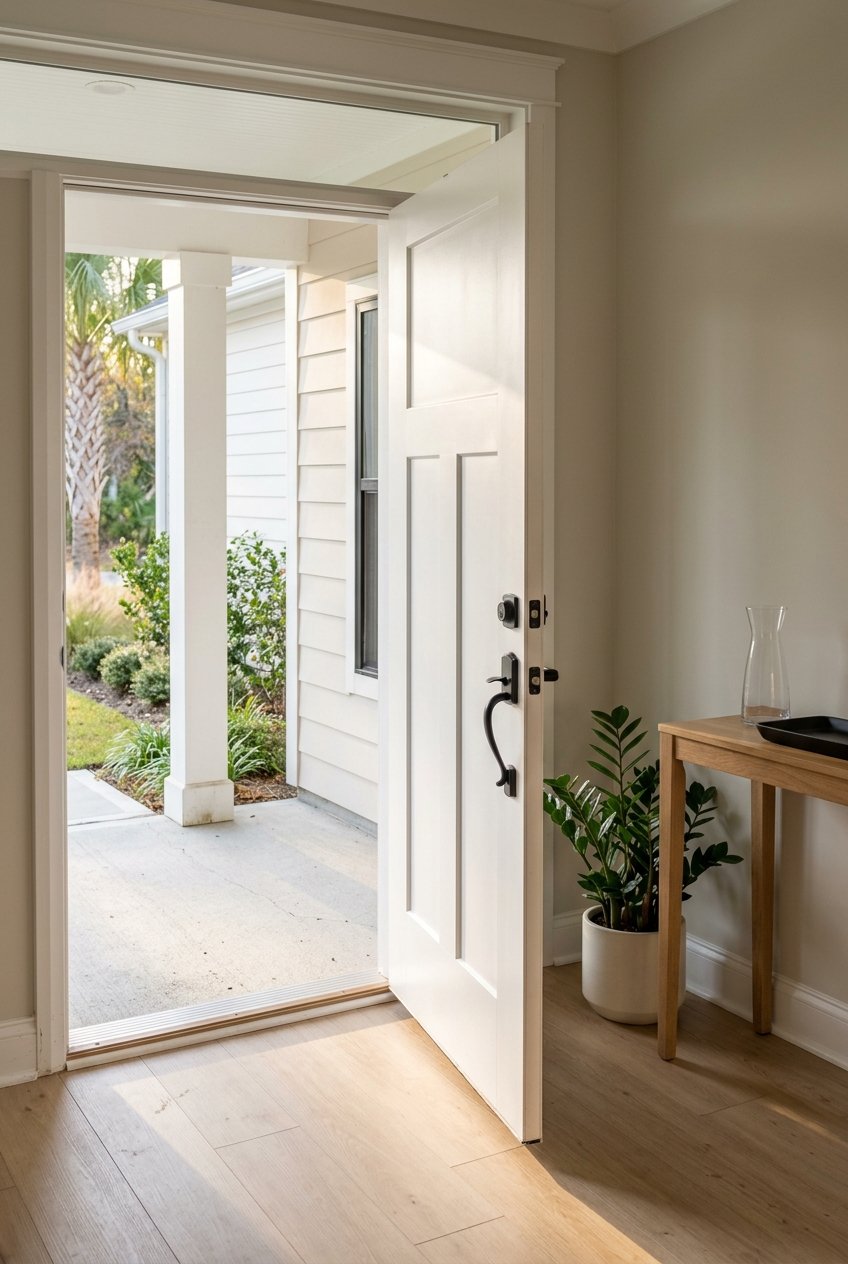
- Improved front entry appearance
- Minor closet organization or storage upgrades
- Addressing obvious deferred maintenance
- Cleaning or repairing roofing concerns if relevant
The goal is not perfection. The goal is to show buyers that your home has been cared for.
Stage the spaces buyers notice first
Staging can make a real difference in how buyers respond to a home. NAR’s 2025 Profile of Home Staging found that 83% of buyers’ agents said staging made it easier for buyers to picture the home as their future place. About half of seller agents also said staging reduced time on market, and 29% reported a 1% to 10% increase in the dollar value offered.
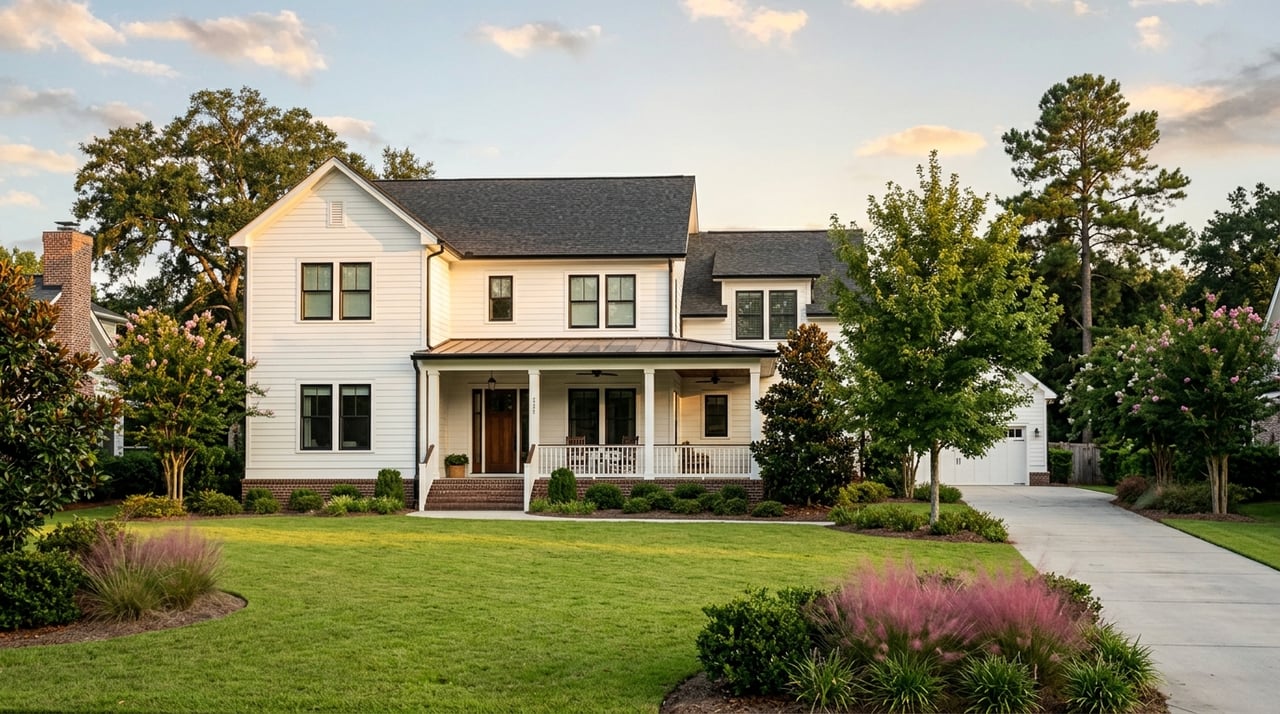
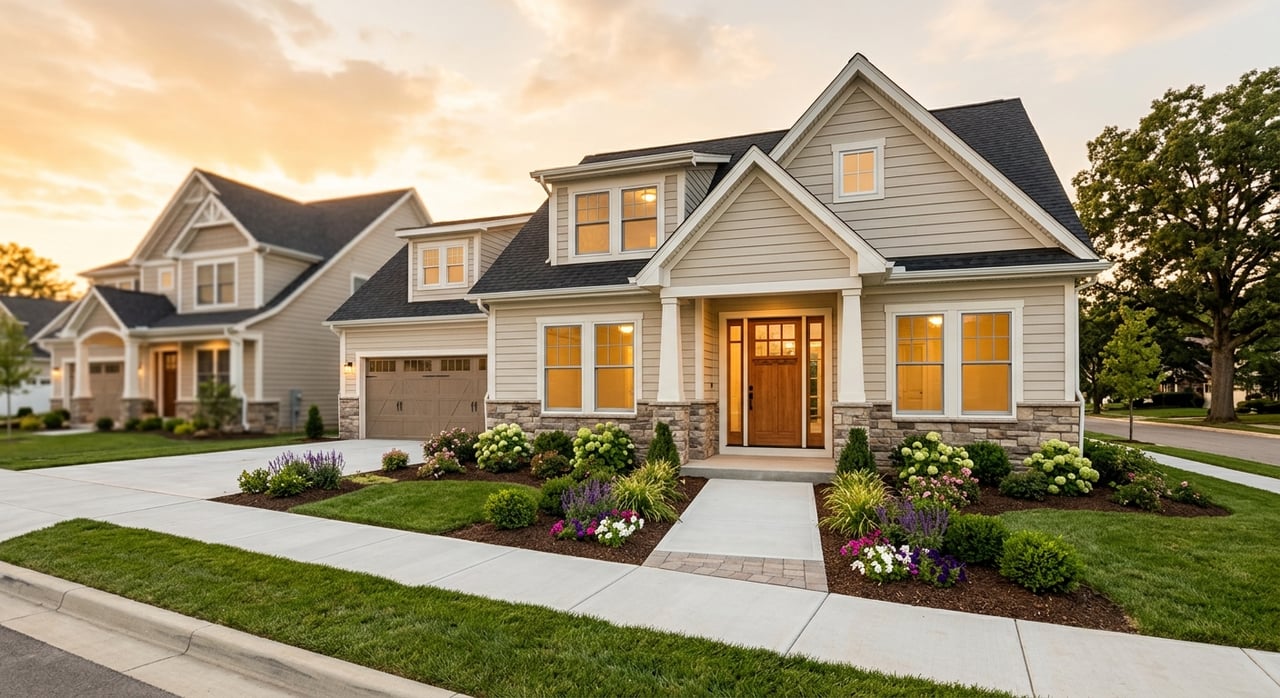
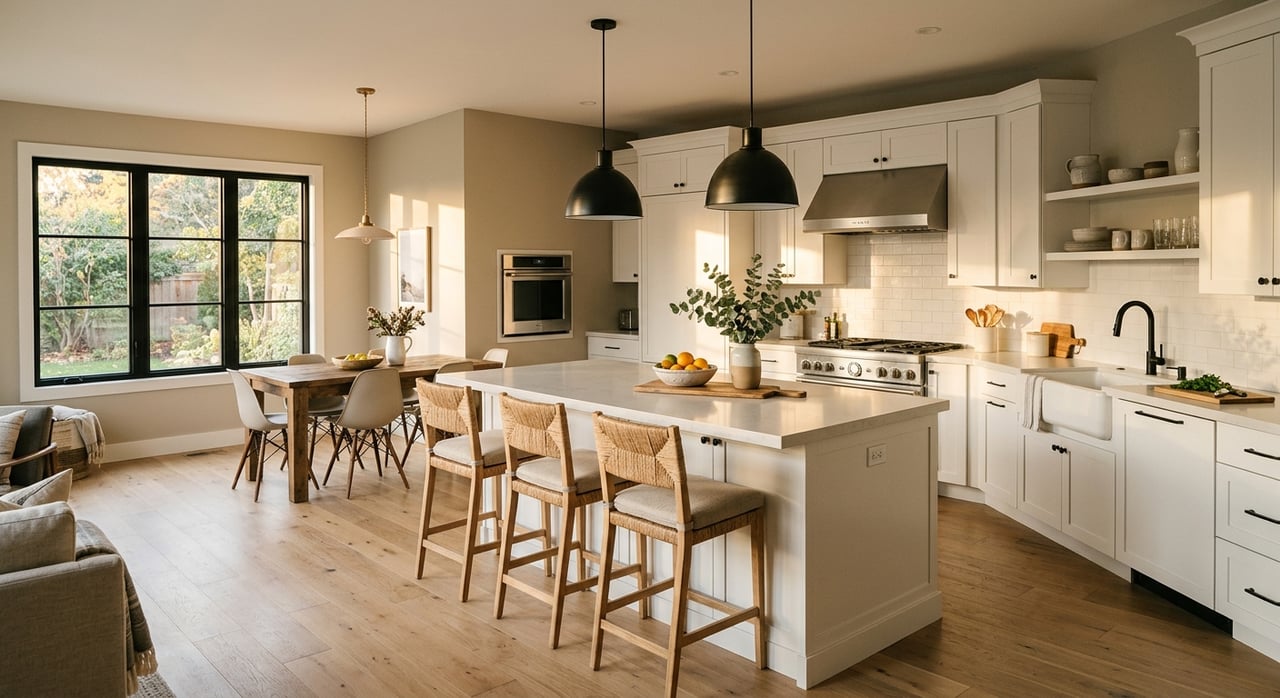
The most commonly staged rooms were the living room, primary bedroom, dining room, and kitchen. Outdoor and yard space also mattered in nearly half of staged listings. For a Richmond Hill home, that means your curb appeal and entry experience deserve just as much attention as your main living areas.
Before listing photos or showings, focus on:
- Decluttering surfaces and floors
- Letting in natural light
- Removing overly personal items
- Creating clean, open furniture layouts
- Tidying the front yard and entry
- Making outdoor sitting areas look usable and inviting
You want buyers to walk in and quickly understand how the home lives. Clean, bright, simple spaces usually do that best.
Time your sale with weather in mind
If you have flexibility, timing your sale can help you reduce stress and present the home at its best. National seasonality research points to May as a strong month to list, with early June also performing well in many areas. For Richmond Hill, though, weather is part of the timing conversation.
NOAA says the Atlantic hurricane season runs from June 1 through November 30. That does not mean you should avoid selling during those months, but it does mean planning ahead is smart. If your home has drainage concerns, flood questions, or exterior repairs to finish, try to handle those before hurricane season is fully underway.
A practical approach is to complete repairs, gather flood-related paperwork, and schedule photos before weather becomes more unpredictable. That can make your listing process smoother and help buyers feel more comfortable as they review the property.
Expect your marketing to be online first
Today’s buyer usually sees your home online before they ever step inside. That is especially true in a community like Richmond Hill, where broadband adoption is high. Census data shows broadband subscription rates above 91% in both Richmond Hill and Bryan County, and NAR reports that 43% of buyers begin their home search online.
That means your listing presentation is not just a bonus. It is the front door to your sale. Strong photos, clear room counts, accurate property details, and polished listing copy all help your home compete in a market where buyers are comparing several options at once.
A strong online listing should include:
- Bright, high-quality photos
- Clear descriptions of layout and features
- Accurate room counts and property details
- Useful notes on lot, outdoor space, and condition
- A clean, well-prepared visual presentation from the first photo onward
If any images are virtually staged, they should be clearly disclosed when material changes have been made. The goal is to market the home honestly while helping buyers picture its potential.
Know that professional guidance still matters
Selling a home can look simple from the outside, but pricing, prep, negotiation, and timing all affect your final result. Nationally, 91% of sellers used a real estate agent in NAR’s 2025 profile, which reflects how important guidance can be when you want to price correctly and avoid missteps.
In Richmond Hill, that guidance is especially valuable when local comps, flood-zone questions, and buyer expectations all need to be handled carefully. A steady, step-by-step process can help you stay focused on what matters most instead of reacting to every opinion or online estimate. When your sale is tied to a move, a job change, or a bigger financial goal, that kind of support can make the process feel much more manageable.
A smart Richmond Hill selling plan
If you want to put your home in the best position to sell, keep your plan simple and grounded in the local market. Start with closed comparable sales, not hopeful pricing. Handle visible maintenance, improve presentation, and get ahead of any flood-related questions.
From there, make sure your timing and marketing support the kind of first impression today’s buyers expect. Richmond Hill is growing, but buyers still want homes that feel well-priced, well-presented, and easy to understand. When you prepare with that in mind, you give yourself a better chance at a smoother sale and a stronger outcome.
If you are getting ready to sell in Richmond Hill and want calm, practical guidance, Devin Pickett can help you build a smart plan, price with confidence, and navigate the process with less stress.
FAQs
What should you know before selling a home in Richmond Hill?
- You should understand local pricing, buyer expectations, flood-zone concerns, home prep priorities, and how online marketing affects your first impression.
How should you price a home in Richmond Hill?
- You should price your home using recent closed comparable sales, adjusted for size, condition, updates, and lot characteristics rather than relying only on active listings or online estimates.
Do flood zones affect selling a home in Richmond Hill?
- Yes. Flood-zone status, prior flooding, mitigation work, elevation certificates, and possible flood-insurance requirements can all influence buyer questions and confidence.
What home improvements matter most before listing in Richmond Hill?
- Visible, lower-cost updates often matter most, such as paint, front entry improvements, basic repairs, decluttering, and addressing obvious maintenance concerns.
Does staging help when selling a home in Richmond Hill?
- Yes. Staging can help buyers picture the home more easily, may reduce time on market, and can improve how your home shows both online and in person.
When is the best time to sell a home in Richmond Hill?
- If you have flexibility, it can help to finish repairs, photos, and documentation before hurricane season is fully underway, especially if the property has drainage or flood-related concerns.