If you want coastal access without giving up a quieter daily routine, Richmond Hill deserves a closer look. This is the kind of place where marsh views, walking trails, and community events can be part of your regular week, not just something you save for special occasions. If you are thinking about moving here, buying here, or selling in this market, understanding what everyday life really feels like can help you make a smarter decision. Let’s dive in.
What Richmond Hill Feels Like
Richmond Hill has a suburban-coastal feel that is different from both downtown Savannah and a beach town. The city describes itself as coastal Georgia living at its finest, with small-town charm, beautiful scenery, outdoor adventure, fishing, and local seafood shaping the lifestyle.
You are also close to Savannah without living in the middle of a busier metro setting. City information places Richmond Hill about 12 miles south of Savannah, and official materials note that many people see it as a Savannah suburb.
That balance is a big part of the appeal. You get a quieter setting, a growing community, and day-to-day access to the kind of river-and-marsh environment many buyers picture when they think about coastal Georgia.
Outdoor Life Is Part of the Routine
One of the strongest lifestyle draws in Richmond Hill is how easy it is to spend time outside. This is not just a place with a few scattered parks. Outdoor spaces here are woven into everyday life.
J.F. Gregory Park Anchors Daily Recreation
J.F. Gregory Recreational Park is one of the best examples of that. The city describes it as a 335-acre multi-use park with picnic tables, playgrounds, bike and walking trails, canoeing, birding, fishing, and hiking.
Its three-mile walking trail stands out for daily use. The trail follows a dike along a former rice field that is now wooded wetland, giving you a practical, scenic place to walk, exercise, or enjoy birdwatching without leaving town.
Fort McAllister Expands Your Options
Fort McAllister State Park adds another layer to Richmond Hill living. Georgia state park materials describe it as a 1,725-acre site on the Ogeechee River with camping, fishing, boating, paddling, hiking, picnic areas, boat ramps, and a fishing pier.
That matters if you want more than neighborhood sidewalks and small green spaces. Living in Richmond Hill puts you near a large, established outdoor destination where river and marsh scenery become part of your weekend rhythm.
Water Access Is Marsh and River Focused
Richmond Hill’s everyday water access is more river-and-marsh oriented than oceanfront. That is an important distinction if you are comparing it with other coastal communities.
Sterling Creek Park adds local green space, but the city currently notes that swimming and kayaking are not permitted there, while bank fishing is still allowed. In practical terms, the lifestyle here is less about beach living and more about trails, piers, fishing, boating, and scenic marsh surroundings.
Community Events Help Shape Local Life
Richmond Hill is not just quiet. It also has a steady community rhythm built around public events and shared gathering spaces.
Recent city events at J.F. Gregory Park have included Spring Fling with vendors, food trucks, live entertainment, a car show, and a duck race. The city also hosts an Independence Day Celebration with free admission, food vendors, live music, and fireworks, along with events like a Community Resource Fair and an annual Memorial Day Ceremony.
That kind of calendar tells you something important. In Richmond Hill, community events are not rare extras. They are part of how people stay connected to the place they live.
Shopping and Dining Are Practical and Local
Richmond Hill offers a practical setup for errands, casual dining, and local shopping. You are not looking at a major urban retail district, but you do have an established local business base that supports day-to-day life.
The Bryan County Chamber of Commerce maintains separate directories for where to eat and where to shop. Ways Station and Crossroads Center describes itself as a shopping and office district in the heart of Richmond Hill with more than 40 merchants, storefront parking, walkways, and local eateries.
For many buyers, that is a good middle ground. You can handle daily needs locally while still staying within reach of Savannah for broader options.
Neighborhoods Offer More Variety Than You Might Expect
Richmond Hill is not a one-style community. According to the city’s comprehensive plan, neighborhood life is spread across more than 65 designated neighborhoods and residential clusters.
That matters because it means your options can vary quite a bit depending on what you want. Some areas feel more established and in-town, while others reflect newer subdivisions or larger planned communities.
City materials also point to a broad housing mix that includes detached single-family homes, attached homes, townhomes, duplexes, apartments, and assisted living. Named areas in city service maps include Main Street, Sterling Creek, Richmond Hill Plantation, Teal Lake, The Commons, Turtle Hill, and Heartwood.
If you are moving to Richmond Hill, this variety is worth paying attention to. Your best fit may depend on commute needs, home style, maintenance preferences, and how much space you want around you.
Housing Leans Newer and Mostly Single-Family
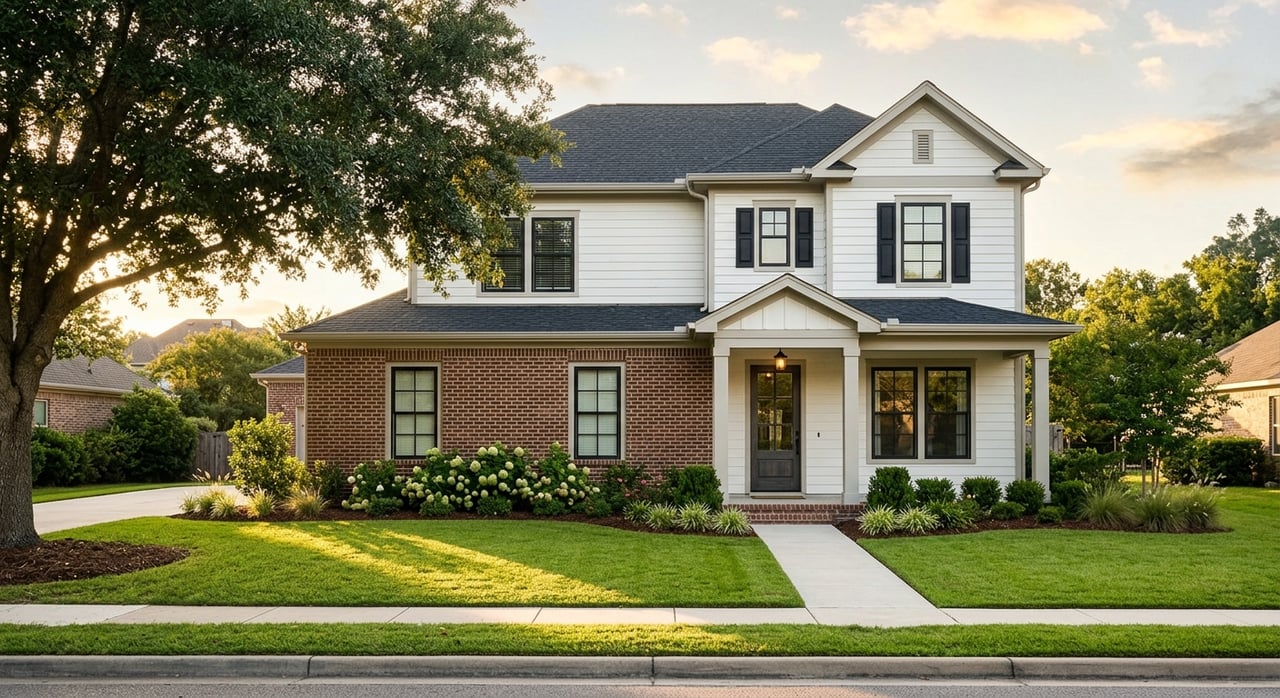
Richmond Hill’s housing stock is shaped heavily by newer residential growth. The city’s comprehensive plan says roughly 75% of housing is single-family, and more than 90% of the housing stock was built after 1990.
That gives many buyers a clearer picture of what to expect. If you are hoping for newer layouts, more modern floor plans, or subdivision-style development, Richmond Hill is likely to offer more of that than older historic housing.
The city’s planning data also shows a broad range of home types and values. Historically, about 40% of owner-occupied homes were valued between $200,000 and $299,999, with another large share between $100,000 and $199,999, though current market conditions tell a different story.
What Buyers Should Know About Pricing
If you are entering the Richmond Hill market today, it helps to go in with realistic expectations. Current 2026 market data suggests this is not a low-price market.
Redfin reports a median sale price of about $390,000 over the three months ending in April 2026, with homes selling in around 62 days. Realtor.com reports a median listing price of $461,115 and a median rent of $2,177 as of March 2026.
In other words, Richmond Hill offers a broad housing mix, but pricing today leans more toward mid-market and upper-mid-market ranges. For buyers, that means preparation matters. For sellers, it reinforces the value of accurate pricing and a solid strategy.
Why Richmond Hill Works for Savannah Commuters
Richmond Hill often appeals to people who want more room and a calmer pace while keeping Savannah within reach. Official city pages place the community about 12 miles south of Savannah and describe it as just minutes from metropolitan Savannah.
The city’s comprehensive plan also notes that State Route 144 and US Highway 17 bisect Richmond Hill. That roadway access helps explain why the area works well for many people balancing work, errands, and regional travel.
If your goal is to live outside the busier core without feeling disconnected, Richmond Hill checks an important box. You can enjoy a quieter home base while maintaining practical access to Savannah.
What This Means for Buyers and Sellers
For buyers, Richmond Hill offers a lifestyle that blends outdoor access, community events, and suburban convenience with a coastal backdrop. It may be especially appealing if you want a newer home, more neighborhood variety, and a location that keeps Savannah close.
For sellers, the area’s appeal is not just about square footage or price per foot. It is also about lifestyle. Buyers are often responding to the broader picture here, including water-oriented recreation, local events, practical shopping, and the balance between quiet living and commute access.
That is why local guidance matters. When you understand how to position a home within the real day-to-day appeal of Richmond Hill, you can market it more effectively and make stronger decisions.
If you are thinking about buying, selling, relocating, or simply trying to understand whether Richmond Hill fits your goals, working with a steady local guide can make the process far less stressful. Devin Pickett helps buyers and sellers across the Savannah area make clear, confident real estate decisions with calm communication and practical local insight.
FAQs
What is everyday life like in Richmond Hill, GA?
- Everyday life in Richmond Hill feels suburban, coastal, and community-oriented, with outdoor recreation, local events, practical shopping, and convenient access to Savannah.
Does Richmond Hill, GA have water access?
- Richmond Hill offers river-and-marsh-oriented water access through places like Fort McAllister State Park, fishing areas, boat ramps, and local parks rather than an oceanfront daily lifestyle.
Are there parks and trails in Richmond Hill, GA?
- Yes. J.F. Gregory Recreational Park includes a three-mile walking trail, along with playgrounds, picnic areas, fishing, hiking, birding, and other outdoor activities.
Is Richmond Hill, GA close to Savannah?
- Yes. Official city information places Richmond Hill about 12 miles south of Savannah, and it is commonly considered a Savannah suburb.
What types of homes are common in Richmond Hill, GA?
- The city’s housing stock is mostly single-family, with additional options such as townhomes, duplexes, apartments, and other residential formats across more than 65 neighborhoods and clusters.
Is Richmond Hill, GA an affordable housing market?
- Current 2026 market data suggests Richmond Hill is not a low-price market, with median sale and listing prices that place it more in the mid-market to upper-mid-market range.