Thinking about moving to Pooler? You are not alone. Pooler has grown quickly, and for good reason: it offers newer housing, strong highway access, and everyday convenience that appeals to many buyers relocating to the Savannah area. If you want a clear picture of housing, commuting, and what daily life actually feels like here, this guide will help you sort through the tradeoffs and decide if Pooler fits your goals. Let’s dive in.
Why Pooler Gets Attention
Pooler sits in Chatham County at the I-95 and I-16 interchange, about 10 miles west of Savannah and within two miles of Savannah/Hilton Head International Airport. That location makes it an important commuter and service hub in the region.
The city has also been growing fast. Census estimates put Pooler at 32,744 residents in July 2025, which is a 28.0% increase from the 2020 base. That kind of growth usually signals strong demand from buyers and renters who want access to jobs, services, and newer housing options.
Regional employers help explain that demand. Major job anchors in the area include Ft. Stewart/Hunter Army Airfield, the Georgia Ports Authority, Gulfstream Aerospace, and JCB. If your work depends on driving, highway access, airport proximity, or regional mobility, Pooler naturally lands on the shortlist.
Pooler Housing at a Glance
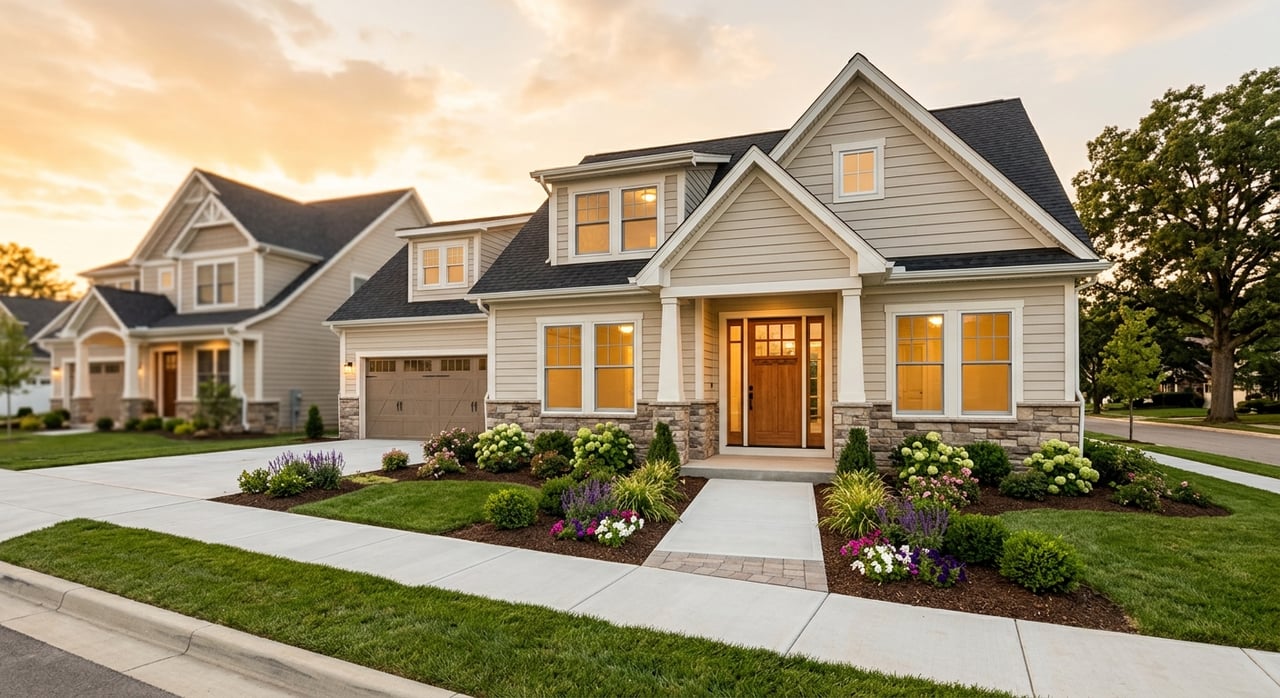
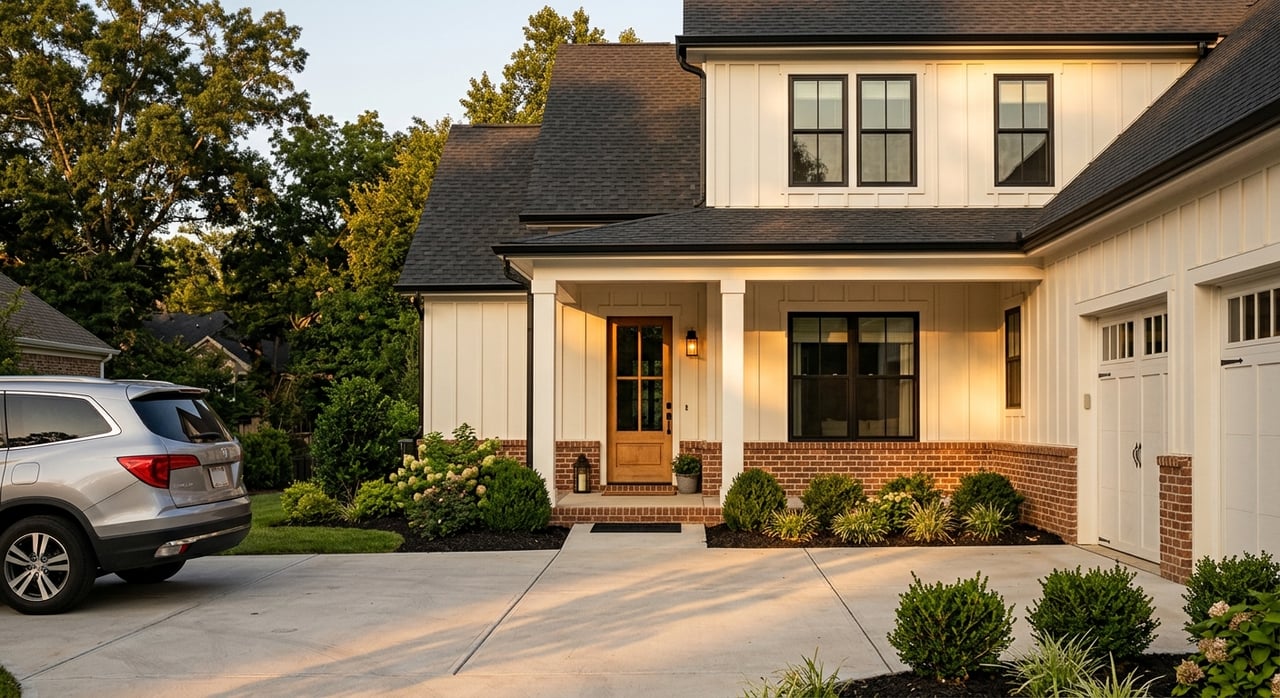
Pooler’s housing stock leans suburban, and that shapes the feel of the market. According to the city’s long-range plan, single-family detached homes make up 66% of the housing stock, while apartments in buildings with 20 or more units account for 9.1%.
A big share of the housing is also relatively new. About 68% of Pooler’s housing was built within the last 20 years in the plan’s ACS snapshot. For many buyers, that can mean a better chance of finding modern layouts, newer subdivisions, and homes that fit current lifestyle preferences.
Current Census QuickFacts show a 60.2% owner-occupied housing rate in Pooler. That points to a market with a solid mix of owners and renters, which can be helpful if you are still deciding whether to buy now or rent first while learning the area.
What Homes and Rent Cost
If budget is one of your biggest concerns, Pooler is important to look at carefully. Census QuickFacts list the median owner value in Pooler at $322,400, the median gross rent at $1,671, and median monthly owner costs with a mortgage at $1,845.
Those numbers suggest Pooler is not the lowest-cost option in the Savannah-area market, but it may offer value for buyers who prioritize newer housing and location convenience. In simple terms, you are often paying for access, growth, and a suburban housing profile.
It also helps to compare Pooler with nearby places, while remembering the Census notes that different estimate years are best read directionally rather than as exact apples-to-apples comparisons.
| Location | Median Home Value | Median Gross Rent | Mean Commute |
|---|---|---|---|
| Pooler | $322,400 | $1,671 | 24.1 min |
| Savannah | $248,900 | $1,382 | 20.7 min |
| Richmond Hill | $313,400 | $1,781 | 29.8 min |
| Port Wentworth | $204,900 | $1,648 | 27.3 min |
For buyers, that means Pooler generally sits above Savannah on home value and rent. Port Wentworth offers a much lower home-value entry point, while Richmond Hill trends higher on rent.
Who Pooler Housing Fits Best
Pooler is often a strong fit if you want a newer suburban setting. Since so much of the housing stock was built in the last 20 years, you may find the area appealing if your wish list includes more current floor plans, subdivision-style development, and a more recently built home base.
It can also make sense if you want a market that supports long-term planning. Whether you are buying your first home, relocating for work, or thinking about stability and future resale, Pooler’s continued growth and owner-heavy mix may be worth a close look.
If your top priority is simply getting the lowest possible purchase price, Pooler may not be the first place you compare. In that case, it can help to weigh Pooler against nearby alternatives based on both price and commute, instead of price alone.
Commuting in Pooler
Pooler is a car-oriented market. The city plan says most work trips are made by automobile, and about 90% of workers living in Pooler drove alone to work during the 2014 to 2018 ACS period.
The same plan notes that Pooler has no transit service coverage. That is one of the most important practical facts to understand before you move. If you want public transportation as part of your daily routine, Pooler may feel limiting.
Current Census QuickFacts put Pooler’s mean travel time to work at 24.1 minutes. In the local context, that places Pooler in the middle of the commute range, shorter than Richmond Hill and Port Wentworth, but longer than Savannah.
How Location Shapes the Drive
Pooler’s location is one of its biggest advantages. Being at the I-95 and I-16 interchange, close to the airport, gives you efficient access to major regional routes.
That can be especially practical if your work is tied to the airport, logistics, manufacturing, or other highway-dependent jobs. It can also help if you need to move around the broader Savannah region often instead of staying in one small part of town.
At the same time, growth brings traffic pressure. The city plan notes heavy inbound and outbound commuting, which contributes to roadway congestion. So while access is strong, you should still expect traffic patterns to matter when choosing where in Pooler to live and where you will be driving each day.
Pooler vs Nearby Commute Options
If commute time is your top filter, the answer depends on where you work. Savannah posts the lower mean commute at 20.7 minutes, so if your goal is the shortest average trip overall, Savannah may deserve a closer look.
Pooler can be a smart middle-ground choice if you work in Savannah, near the airport, or along I-95 or I-16. You may give up a little in average commute time compared with Savannah, but gain easier highway access and a housing stock that is often newer.
Richmond Hill and Port Wentworth may work better for some buyers depending on job location and budget, but based on average commute figures alone, Pooler lands between them and Savannah. That balance is one reason so many relocating buyers consider it.
What Daily Life Feels Like
Daily life in Pooler tends to center on convenience. Retail activity is concentrated near I-95 and Pooler Parkway, so many errands, shopping trips, and quick outings are built around driving to major commercial areas.
For some buyers, that is a plus. If you like having stores, services, and practical day-to-day needs clustered in easy driving distance, Pooler delivers a straightforward suburban routine.
If you are looking for a dense, walkable downtown experience, Pooler is usually not the match. The city is better described as a place where driving connects your home, work, errands, and recreation.
Shopping and Everyday Access
One of Pooler’s best-known retail draws is Tanger Outlets Savannah at 200 Tanger Outlets Blvd. Tanger notes that it is conveniently located near I-95 and Pooler Parkway, and Explore Georgia describes it as having more than 95 brand-name stores.
That does not just matter for shopping days. It also reflects the broader convenience pattern in Pooler, where commercial access is part of the lifestyle appeal.
For relocating buyers, this often translates into easier settling in. When your routines depend on grabbing essentials, handling errands, and staying connected to major roads, Pooler’s layout can make that process feel simpler.
Parks and Recreation in Pooler
Pooler is not only about rooftops and retail. The city also has an active Parks & Recreation department that offers facilities, youth athletics, adult athletics, programs, and pickleball.
Tom Triplett Park is one of the standout local recreation spaces. The park spans about 200 acres and includes a lake, paved trail, fishing piers, tennis courts, disc golf, playgrounds, and a dog exercise area.
That gives residents a useful balance. Even in a drive-oriented suburb, you still have places to get outside, stay active, and enjoy open space close to home.
Is Pooler Right for You?
Pooler is usually the best fit for buyers who want newer suburban housing, direct highway access, and a daily routine built around driving, shopping corridors, and parks. If that sounds like your lifestyle, Pooler may check a lot of boxes.
It may be especially worth considering if you are relocating for work and need a practical base near regional roads or the airport. It can also be a strong option if you want a home in a growing area and prefer a suburban feel over a more urban setup.
On the other hand, Pooler may be less ideal if your top priorities are the lowest entry price, public transit access, or a more walkable day-to-day environment. In that case, comparing Pooler with Savannah or Port Wentworth may help you narrow things down.
A Simple Decision Framework
If you are still deciding, use these three questions to guide your search.
Budget-first move
If your budget leads the decision, compare Pooler closely with Savannah and Port Wentworth. Pooler is generally above Savannah on median home value and rent, while Port Wentworth offers a lower home-value entry point.
Commute-first move
If your job is in Savannah, near the airport, or along I-95 or I-16, Pooler can simplify your routine. If your goal is the shortest average commute, Savannah currently posts the lower mean travel time.
Lifestyle-first move
If you want outlet shopping, suburban errands, and park access more than a walkable downtown feel, Pooler stands out. Its amenity pattern supports a practical, convenience-focused lifestyle.
Moving to a new area is easier when you have clear local guidance and honest expectations. If you are weighing Pooler against Savannah, Richmond Hill, or Port Wentworth, Devin Pickett can help you compare your options step by step and find the right fit for your move.
FAQs
Is Pooler, Georgia, a good place for relocating homebuyers?
- Pooler can be a strong fit if you want newer suburban housing, major highway access, and convenient retail and park options in the Savannah area.
How expensive is housing in Pooler, Georgia?
- Census QuickFacts list Pooler’s median owner value at $322,400, median gross rent at $1,671, and median monthly owner costs with a mortgage at $1,845.
What is the average commute from Pooler, Georgia?
- Pooler’s mean travel time to work is 24.1 minutes, which sits between Savannah’s 20.7 minutes and the longer averages in Richmond Hill and Port Wentworth.
Is Pooler, Georgia, good for airport or highway access?
- Yes. Pooler sits at the I-95 and I-16 interchange and is within two miles of Savannah/Hilton Head International Airport, which supports easy regional travel by car.
Does Pooler, Georgia, have public transit?
- No. Pooler’s city plan states that the city has no transit service coverage, so most residents rely on driving for work and daily errands.
What is daily life like in Pooler, Georgia?
- Daily life in Pooler is generally built around driving, shopping and service corridors near I-95 and Pooler Parkway, and recreation options such as Tom Triplett Park and city programs.
What types of homes are common in Pooler, Georgia?
- Pooler’s housing stock is mostly suburban, with single-family detached homes making up 66% of the housing stock and a large share of homes built within the last 20 years.